
Counselling for Teachers & Education Staff
Online counselling for teacher stress, burnout, workload and emotional wellbeing
Teaching can be deeply rewarding, but it can also be emotionally exhausting. You may be managing heavy workloads, classroom pressures, behaviour challenges, safeguarding worries, parent expectations, inspections, leadership demands and the constant feeling that there is never enough time to do the job in the way you want to.
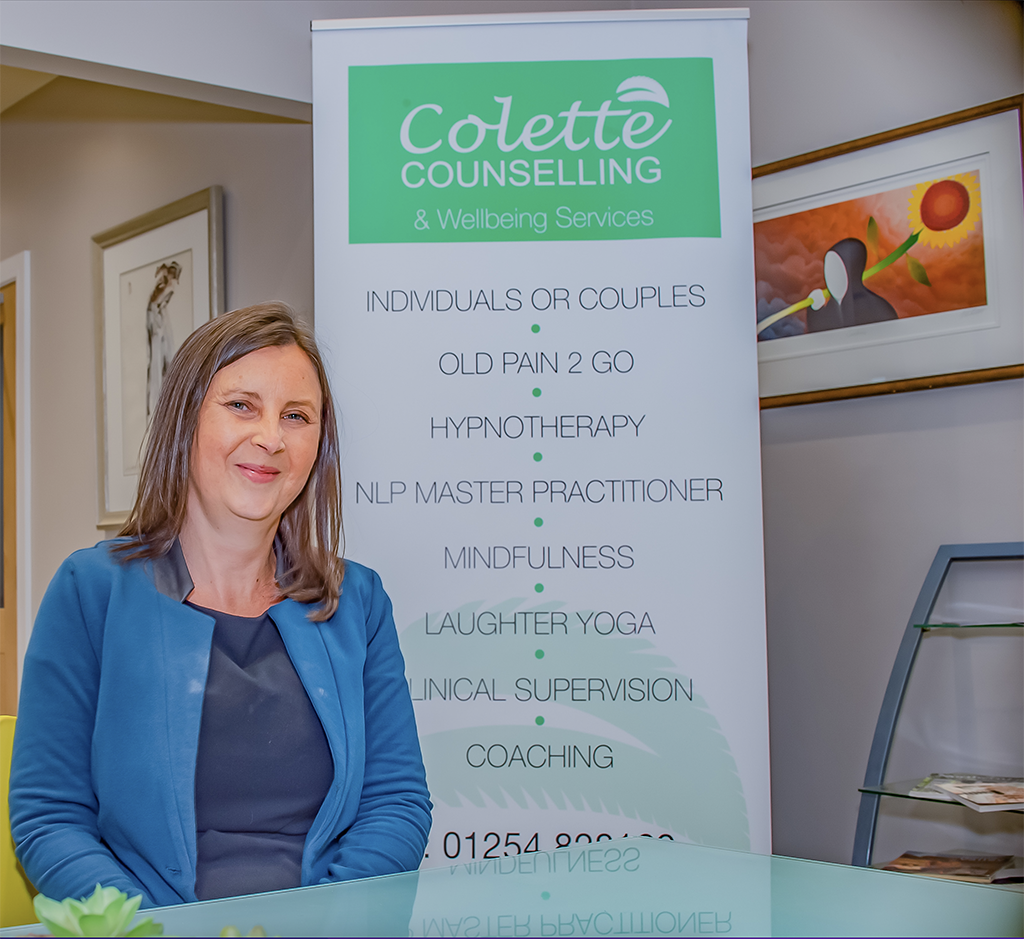
At Colette Counselling, I offer counselling for teachers and education staff across the UK. Sessions are available online, by phone, or face to face at my counselling room in Padiham, near Burnley in Lancashire.
This is a confidential space away from school, where you can talk honestly about how work is affecting you — without needing to perform, explain yourself to colleagues, or hold everything together for everyone else.
Why teachers seek counselling
Many teachers are used to being the person others rely on. You may spend your day supporting pupils, managing emotions in the classroom, adapting to changing expectations and trying to meet the needs of everyone around you.
Over time, that pressure can take a toll.
You might be feeling:
- Exhausted before the school day even begins
- Anxious on Sunday evenings or during the commute
- Unable to switch off after work
- Overwhelmed by marking, planning, emails or expectations
- Guilty for not doing more, even when you are already doing too much
- Irritable, tearful, numb or disconnected
- Less confident in your teaching than you used to be
- Worried that you are heading towards burnout
- Unsure whether to stay in teaching or leave the profession
- Isolated because colleagues seem to be coping better than you
- Emotionally affected by safeguarding issues or pupil distress
- Struggling with difficult relationships at work
Counselling gives you a place to stop, breathe and focus on yourself for a change.
Teacher stress is not a personal failing
If you are struggling, it does not mean you are weak, incapable or not suited to teaching. Education is a high-pressure profession, and many teachers carry far more than people outside the classroom realise.
The emotional demands of teaching can be significant. You are expected to teach, plan, assess, manage behaviour, support pupil wellbeing, respond to families, meet deadlines, adapt to change, and still bring patience and energy into the classroom every day.
Counselling can help you understand what is happening beneath the surface and begin to rebuild steadiness, confidence and self-trust.

How counselling for teachers can help
Counselling does not remove the pressures of the education system, and it is not about telling you to simply “manage your stress better”. Instead, it gives you a private, supportive space to explore how those pressures are affecting you and what you need to feel more grounded.
In sessions, we may work on:
Stress and burnout
Anxiety and overthinking
Boundaries and guilt
Confidence and self-doubt
Work-life balance
Difficult relationships at work
Emotional load and pupil wellbeing
Career decisions and change

My approach to counselling for teachers
My approach is integrative, which means your counselling sessions are tailored to you and your situation. We can use a range of therapeutic tools depending on what feels helpful.
This may include:
- Person-centred counselling
- Mindfulness
- Cognitive behavioural therapy techniques
- Transactional analysis
- NLP
- Hypnotherapy
- Relaxation and grounding techniques
- Communication and confidence work
- Support with boundaries and self-compassion
Some teachers come to counselling because they need space to talk and be heard. Others want practical tools for stress, sleep, confidence, anxiety or difficult conversations. Many need a combination of both.
We will work at your pace and focus on what matters most to you.
What happens in the first session?
Your first session is a chance to talk about what has brought you to counselling and what you would like support with.
We may explore:
- What is currently feeling hardest
- How teaching is affecting your mood, sleep, confidence or relationships
- What your workload and stress levels feel like
- Whether you are experiencing burnout, anxiety or low mood
- What support you already have in place
- What you would like to feel different
- Whether online, phone or face-to-face sessions suit you best
You do not need to prepare anything in advance. You can arrive exactly as you are, even if you feel tired, emotional, unsure or overwhelmed.
Counselling sessions are typically 60 minutes. Introductory sessions include an extra 30 minutes free of charge to give you time to settle in, ask questions and talk through what you need.
Common reasons teachers come to counselling
You might seek counselling for:
- Teacher stress
- Burnout or emotional exhaustion
- Anxiety or panic
- Low mood or depression
- Workload pressure
- Sunday night anxiety
- Difficulty switching off
- Poor sleep
- Imposter syndrome
- Loss of motivation
- Career uncertainty
- Perfectionism and self-criticism
- Confidence issues
- Work-related conflict
- Bullying or feeling undermined at work
- Classroom behaviour stress
- Safeguarding-related emotional strain
- Parent complaints or difficult communication
- Inspection or observation anxiety
- Work-life balance
- Returning to teaching after absence
- Leaving teaching or changing career
You do not need to have a specific diagnosis to start counselling. If teaching is affecting your wellbeing, that is enough.
FAQs
Yes. Counselling can help you explore the emotional impact of teacher stress, understand what is contributing to it, and build healthier ways to cope. It can support you with anxiety, burnout, boundaries, confidence, difficult relationships and work-life balance.
Yes. Counselling is confidential, with limited legal and safeguarding exceptions, such as serious risk of harm. Your sessions are separate from your school or employer, and confidentiality will be explained clearly before counselling begins.
Yes. I offer online counselling for teachers across the UK, as well as phone sessions and face-to-face counselling in Padiham, near Burnley in Lancashire. Online sessions can be helpful if you have a demanding timetable or find it difficult to travel after school.
Counselling can help you explore this decision without judgement. You may want to stay, leave, reduce hours, change schools, move roles or simply understand why you feel the way you do. Sessions give you space to think clearly about what is right for you.
Counselling can support recovery from burnout by helping you understand the pressures that led to it, process exhaustion and difficult emotions, rebuild boundaries, and reconnect with your needs and values. It is not a quick fix, but it can be an important part of recovery.
No. You can start counselling whether you are currently working, signed off, returning after absence, changing role or considering your options. You do not need to wait until things become unmanageable before seeking support.
The first session is a gentle opportunity to talk about what is happening for you, how teaching is affecting your wellbeing, and what you would like support with. You can ask questions and decide whether the way I work feels right for you.
This depends on your needs and what you want from counselling. Some teachers benefit from a few focused sessions, while others prefer longer-term support. We can review this together as we go.
You can care about your pupils and still need support
Many teachers feel guilty for needing help because they know their pupils need them. But your wellbeing matters too.
You are not just a teacher. You are a person with your own needs, limits, relationships, health and life outside the classroom. Supporting yourself is not selfish. It can help you make clearer decisions, protect your energy and reconnect with the parts of yourself that have been pushed aside by work.
Counselling gives you time that is just for you.
Book chronic pain counselling
Get in touch
Send us a message and we’ll get back to you as soon as possible.