
Menopause Counselling
Emotional support through perimenopause, menopause and midlife change
Menopause can affect far more than your periods. It can change your sleep, mood, confidence, relationships, energy, concentration, body image, sense of identity and how you feel about the future.
You may feel anxious, tearful, angry, low, overwhelmed, unlike yourself, or unable to cope with things that once felt manageable. You might be dealing with hot flushes, night sweats, brain fog, poor sleep, low libido, physical symptoms or a sense that your body and emotions are changing in ways you do not fully understand.
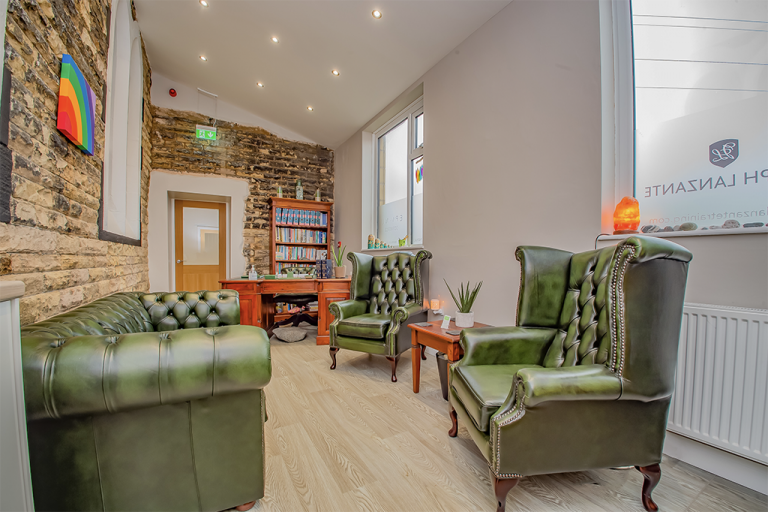
At Colette Counselling, I offer menopause counselling for people experiencing perimenopause, menopause, post-menopause and the emotional changes that can come with this stage of life. Sessions are available online across the UK, by phone, or face to face at my counselling room in Padiham, near Burnley in Lancashire.
This is a confidential space to talk openly, feel understood and find support that is built around you.
You are not “just being emotional”
Many people reach menopause after years of caring for others, working hard, managing family responsibilities, carrying invisible stress or pushing through without much space for themselves.
Then menopause arrives, and it can feel as though everything becomes harder to hold.
You might find yourself thinking:
- “I don’t feel like myself anymore.”
- “Why am I so anxious?”
- “I keep snapping at people I love.”
- “I feel invisible.”
- “I can’t sleep and I’m exhausted.”
- “I’m struggling at work but I don’t know how to explain it.”
- “My confidence has disappeared.”
- “I don’t know whether this is hormones, stress, grief, burnout or all of it together.”
Counselling gives you a space where you do not have to minimise any of this. Your feelings are valid, and you deserve support.
What is menopause counselling?
Menopause counselling is emotional and psychological support for people experiencing perimenopause, menopause or post-menopause.
It is not a replacement for medical advice, HRT, medication or support from your GP or menopause specialist. Instead, counselling can sit alongside medical care and help with the emotional, relational and practical impact of what you are going through.
Menopause counselling can support you with:
- Anxiety, panic or overthinking
- Low mood or tearfulness
- Anger, irritability or emotional overwhelm
- Loss of confidence
- Brain fog and frustration
- Sleep disruption and exhaustion
- Body image and self-esteem
- Relationship changes
- Low libido or changes in intimacy
- Stress at work
- Caring responsibilities and burnout
- Identity changes in midlife
- Grief, loss or life transitions
- Feeling invisible, dismissed or misunderstood
- Adjusting to physical symptoms or health changes
You do not need to have everything worked out before starting counselling. We can begin with what feels hardest right now.
Perimenopause, menopause and post-menopause
Menopause is often spoken about as one moment, but for many people it is a longer transition. Whatever stage you are in, counselling can help you make sense of how this transition is affecting your life, relationships and wellbeing.
Perimenopause
Menopause
Post-menopause
How menopause can affect emotional wellbeing
Menopause is often discussed in terms of physical symptoms, but the emotional impact can be just as significant.
You may feel:
- More anxious than usual
- Less patient or more easily irritated
- Tearful without knowing why
- Low, flat or disconnected
- Less confident at work or socially
- Frustrated by brain fog or forgetfulness
- Worried about your body changing
- Less interested in sex or intimacy
- Guilty for needing more rest or space
- Grief about ageing, fertility, identity or life choices
- Overwhelmed by responsibilities
These feelings can be made harder if the people around you do not understand what menopause can involve, or if you feel you have to keep functioning as normal when you do not feel normal inside.
Counselling allows you to speak honestly about what is happening and explore what support you need.
How menopause counselling can help
Menopause counselling is not about telling you to think positively or push through. It is about giving you a steady, supportive space to understand what you are experiencing and find ways to care for yourself through change.
In sessions, we may work on:
Anxiety and emotional overwhelm
Mood changes and irritability
Confidence and identity
Relationships and communication
Work stress and professional confidence
Grief, ageing and life transitions
Self-care without guilt

My approach to menopause counselling
My approach is integrative, which means your counselling sessions are tailored to you. We can draw on different therapeutic tools depending on what feels helpful.
This may include:
- Person-centred counselling
- Mindfulness
- Cognitive behavioural therapy techniques
- Transactional analysis
- NLP
- Hypnotherapy
- Relaxation and grounding techniques
- Confidence and communication work
- Support with boundaries, identity and self-compassion
Some people come to counselling because they need space to talk and be heard. Others want practical tools for anxiety, sleep, stress, confidence or communication. Many people need a mixture of both.
We will work at your pace and focus on what matters most to you.
You do not have to manage menopause alone
Menopause can feel isolating, especially if you are used to coping quietly or looking after everyone else first.
Counselling offers time that is just for you. It is a place to talk honestly about the parts of menopause that are not always easy to say out loud: anxiety, anger, shame, grief, desire, confidence, ageing, identity, exhaustion and hope.
All of you is welcome here.
FAQs
Yes. Counselling can help with the emotional and psychological impact of menopause, including anxiety, low mood, anger, confidence, identity changes, relationship difficulties, work stress and feeling overwhelmed. It does not replace medical care, but it can be a valuable part of your support.
Menopause most commonly affects women, but some trans men and non-binary people also experience menopause. You are welcome to seek support if menopause, perimenopause or post-menopause is affecting your emotional wellbeing.
Counselling can support you to understand and manage anxiety during menopause or perimenopause. Sessions may include space to explore your feelings, identify triggers, work with anxious thoughts and learn calming or grounding techniques.
No. You do not need a diagnosis to seek counselling. If you are experiencing emotional changes, anxiety, stress, confidence issues or life changes connected to menopause or midlife, counselling may help.
No. Counselling is not a replacement for medical advice, HRT or treatment from your GP or menopause specialist. It focuses on the emotional and psychological impact of menopause and can work alongside medical support.
Yes. I offer online menopause counselling across the UK, as well as phone sessions and face-to-face counselling in Padiham, near Burnley in Lancashire.
The first session is a gentle opportunity to talk about what has brought you to counselling, how menopause is affecting your life, and what you would like support with. You can ask questions and decide whether the way I work feels right for you.
This depends on your needs and goals. Some people benefit from a few focused sessions, while others prefer longer-term support. We can review this together as we go.
Book menopause counselling
If menopause or perimenopause is affecting your emotional wellbeing, confidence, relationships or work, counselling can give you space to feel heard and supported.
I offer menopause counselling online across the UK, by phone, and face to face in Padiham, near Burnley in Lancashire.
You are welcome to get in touch if you are ready to book, or if you simply want to ask a question before deciding whether counselling is right for you.
Book menopause counselling
Get in touch
Send us a message and we’ll get back to you as soon as possible.