Chronic Pain Counselling in the UK
Support for long-term pain, illness, disability and life after diagnosis
Living with chronic pain can affect far more than your body. It can change your sleep, mood, confidence, relationships, work, identity and hopes for the future. It can leave you feeling exhausted by appointments, misunderstood by others, or frustrated that you are expected to simply “get on with it”.
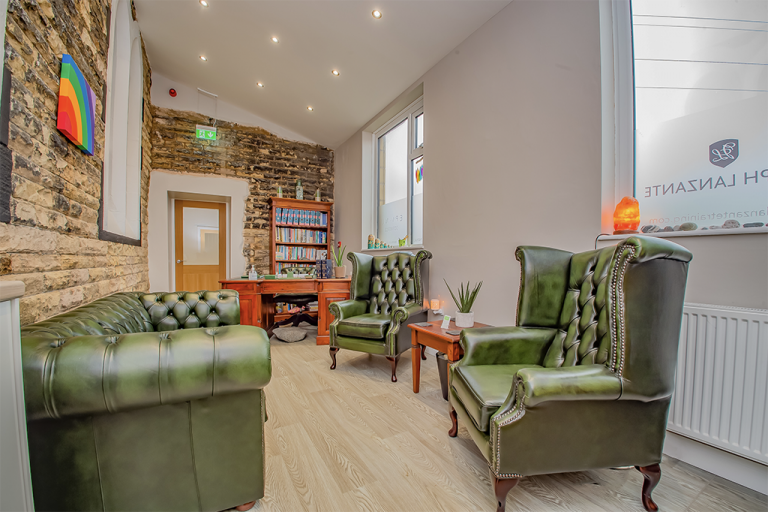
At Colette Counselling, I offer specialist chronic pain counselling for people living with long-term pain, health conditions, disability and new or ongoing diagnoses. Sessions are available online across the UK, by phone, or face to face at my counselling room in Padiham, near Burnley in Lancashire.
This is not about being told your pain is “all in your head”. Your pain is real. Counselling gives you a safe, supportive space to explore the emotional, psychological and practical impact of pain, while building tools to help you live with more choice, calm and confidence.
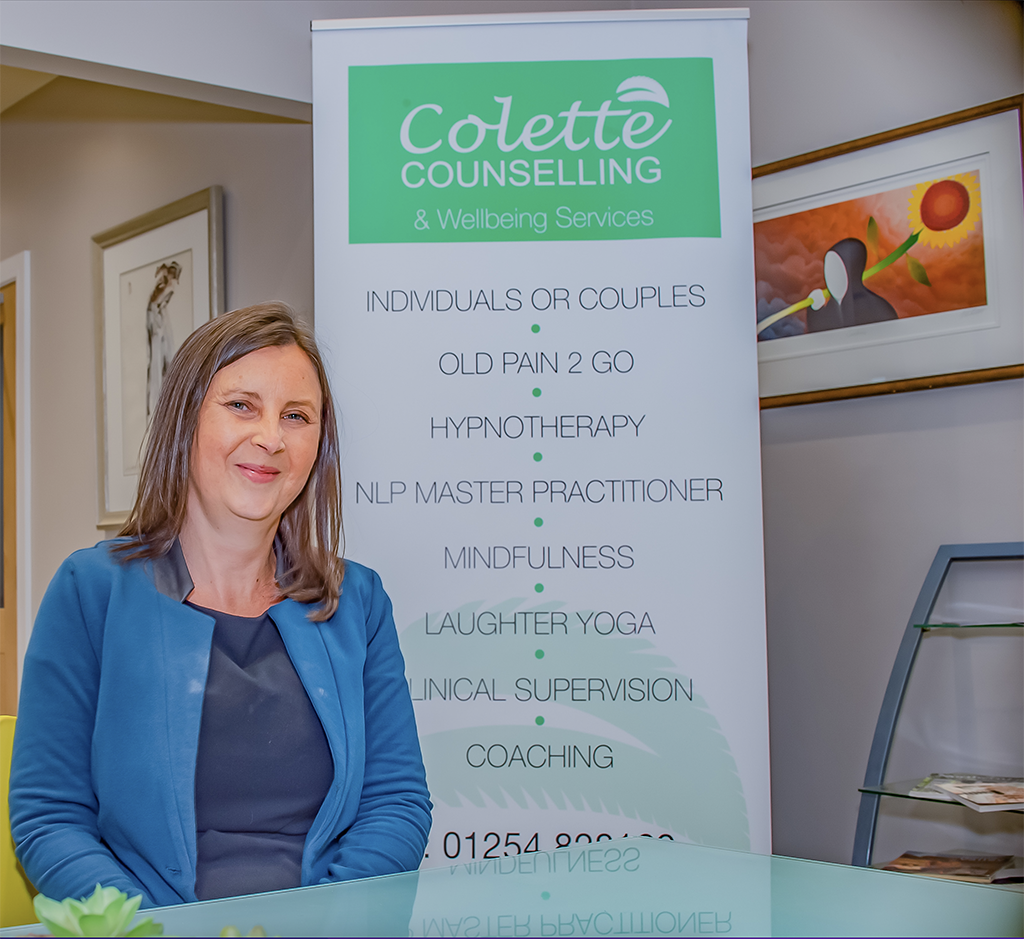
Counselling with someone who understands chronic pain personally
Many counsellors can support anxiety, stress and low mood. Far fewer have specialist experience of chronic pain.
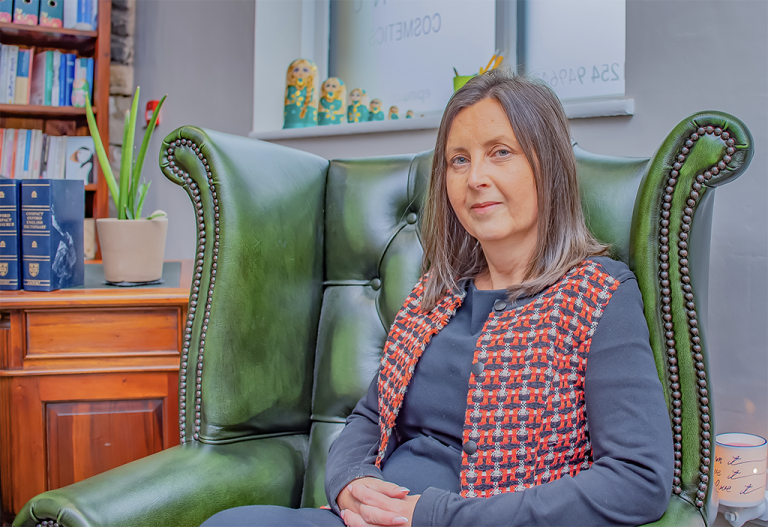
For most of my life, I have lived with health issues and daily chronic pain. My own journey led me to explore counselling, hypnotherapy, mindfulness, NLP and other therapeutic approaches to understand how we can support both the mind and body when pain becomes part of everyday life.
That lived experience matters. It means you do not have to spend your sessions trying to prove your pain, explain why you are tired, or justify why something that looks simple to someone else can feel overwhelming. I understand that chronic pain can affect your whole life — and that support needs to be compassionate, practical and personal.
Your experience will always be treated as your own. I will not assume I know exactly how pain affects you. Instead, we will work together to understand what you are carrying, what you want to change, and what support feels right for you.
What is chronic pain?
Chronic pain, sometimes called persistent pain or long-term pain, usually means pain that has lasted for more than three months, or pain that continues beyond the usual healing time.
It may be linked to a diagnosed condition, injury, illness or disability. Sometimes there is no clear medical explanation, or the original injury has healed but the pain remains. However it started, chronic pain can place a heavy emotional load on daily life.
You may be dealing with:
- Pain that is constant, recurring or unpredictable
- Flare-ups that affect your plans and routines
- Fatigue, poor sleep or brain fog
- Anxiety about symptoms getting worse
- Grief for the life you had before pain
- Frustration when other people do not understand
- Worry about work, money, relationships or independence
- Changes in identity, confidence or self-esteem
- Feeling disconnected from your body
- Fear of movement, appointments, judgement or the future
Counselling can help you make sense of these experiences, reduce the isolation that often comes with chronic pain, and build a kinder relationship with yourself and your body.
How chronic pain counselling can help
Chronic pain counselling is not a replacement for medical care, physiotherapy, medication or advice from your GP or consultant. It sits alongside your healthcare and focuses on the emotional and psychological impact of living with pain.
In sessions, we may work on:
Understanding your relationship with pain
Living with uncertainty
Grieving the life you expected
Improving communication with others
Building confidence and self-trust
Reducing stress around pain
Reducing stress around pain
Finding a life that feels more like yours

My approach to chronic pain counselling
I offer integrative counselling, which means your sessions are tailored to you rather than based on one fixed method. Depending on your needs, our work may include elements of:
- Person-centred counselling
- Mindfulness
- Cognitive behavioural therapy techniques
- Transactional analysis
- NLP
- Hypnotherapy
- Relaxation and grounding techniques
- Confidence and communication work
- Emotional processing around illness, disability or diagnosis
Some people want space to talk and be heard. Others want practical techniques for managing stress, sleep, flare-ups or difficult thoughts. Many people need a mixture of both.
We will go at your pace. You will not be pushed, judged or told there is a quick fix. The aim is to help you feel more supported, more equipped and more connected to yourself.
What happens in the first session?
Your first session is a gentle opportunity to talk about what has brought you to counselling and what you would like support with.
We may explore:
- How pain or illness affects your day-to-day life
- What you have already tried
- What feels hardest at the moment
- How pain affects your mood, sleep, relationships or confidence
- What you would like to feel more able to manage
- Whether online, phone or face-to-face sessions suit you best
- Any questions you have about counselling, NLP or hypnotherapy
You do not need to have everything worked out before you come. Many people arrive feeling unsure, tired or emotional. That is completely okay. We will start where you are.
Counselling sessions are typically 60 minutes. Introductory sessions include an extra 30 minutes free of charge to allow you to settle in and talk through what you need.
Chronic pain can affect your mental health too
Living with pain every day can be lonely. You may find yourself becoming anxious, low, irritable, overwhelmed or withdrawn. You may feel guilty for cancelling plans, frustrated by what others do not see, or frightened that life will always feel this hard.
These responses are not a personal failing. They are understandable responses to carrying something difficult for a long time.
Counselling gives you a confidential space where you can talk about the parts of pain that are often hidden: the anger, grief, fear, resentment, exhaustion, hope and determination. All of it is welcome.
FAQs
Counselling can help with the emotional and psychological impact of chronic pain. It may support you to manage stress, anxiety, low mood, grief, confidence, relationships and the daily strain of living with pain. It is not a cure and does not replace medical care, but it can be a valuable part of your wider support.
No. You do not need a formal diagnosis to begin counselling. Many people seek support because pain is affecting their life, even if they are still waiting for answers or their symptoms are difficult to explain medically.
I cannot promise to remove your pain, and it would not be ethical to guarantee that. What counselling can do is help you change how you relate to pain, reduce the emotional load around it, build coping tools and support you to live with more confidence and choice.
Yes. I offer online chronic pain counselling across the UK, as well as phone sessions and face-to-face counselling in Padiham, near Burnley in Lancashire. Online counselling can be especially helpful if travelling is difficult or flare-ups make appointments harder to manage.
The first session gives us time to talk about what you are experiencing, how pain affects your life, and what you would like support with. You can ask questions, share as much or as little as feels comfortable, and decide whether the way I work feels right for you.
This depends on your needs and goals. Some people benefit from a few focused sessions, while others prefer longer-term support. We can review this together as we go so that counselling continues to feel useful and appropriate.
Yes. Counselling is confidential, with a few legal and safeguarding exceptions, such as serious risk of harm. These will be explained clearly before we begin working together.
Yes. Anger, sadness, anxiety, frustration and grief are common when pain has been part of your life for a long time. Counselling gives you space to explore these feelings safely and find ways to support yourself through them.
Counselling for chronic pain, disability and diagnosis changes
Chronic pain often comes with other life changes. You may be adjusting to a new diagnosis, a disability, a change in mobility, a change in work, or a new relationship with your body.
This can raise difficult questions:
- Who am I now?
- How do I explain this to other people?
- What if I cannot do what I used to do?
- How do I ask for help without feeling like a burden?
- How do I pace myself without feeling guilty?
- How do I keep hope without pretending everything is fine?
You do not have to answer these questions alone. Counselling can help you process what has changed and begin to build a way forward that respects your limits without reducing you to them.
Book chronic pain counselling
Get in touch
Send us a message and we’ll get back to you as soon as possible.